


SOLUTION DETAILS
Ultrasonic Cell Disruptor Buying Guide
How to Choose the Right Sonicator for Your Lab or Production
This guide details how to select a suitable ultrasonic cell disruptor, covering its applications, power and probe selection criteria, key functional features, scenario-based model recommendations
1. Applications
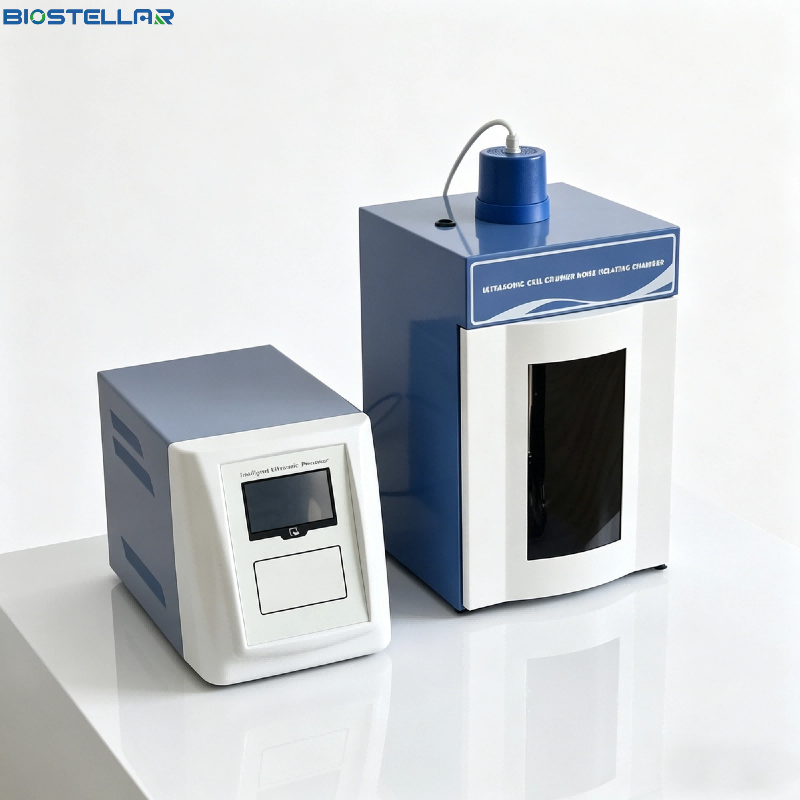
Ultrasonic cell disruptors (also known as sonicators or ultrasonic homogenizers) are widely used in:
- Cell lysis & DNA/RNA extraction
- Protein and enzyme extraction
- Nanomaterial dispersion
- Emulsification & homogenization
- Chemical reaction acceleration
They are ideal for laboratories, universities, biotech companies, and pilot-scale production.
2. How to Choose the Right Model
2.1 Power Selection by Sample Volume
| Sample Volume | Recommended Power | Recommended Models |
| 0.1–100 ml | 150W–500W | BSD-150/250/500 |
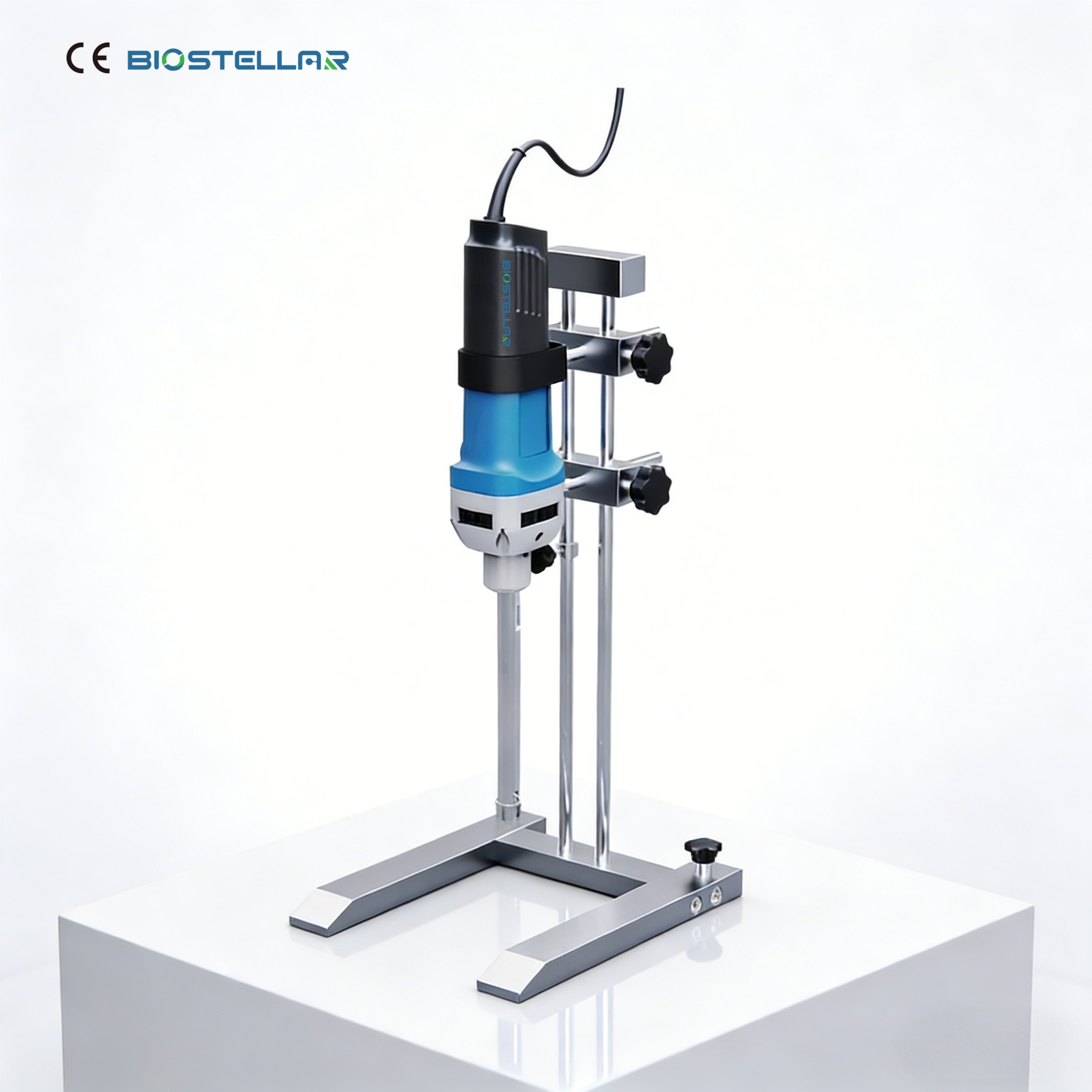
| 100–700 ml | 650W–950W | BSD-650/950 |
| ≥1000 ml | 1200W–2000W | BSD-1200/1500/1800/2000 |
Tip:
Higher power increases processing speed, but for sensitive samples (such as proteins), moderate power is recommended to avoid damage.
Share



SEND INQUIRY

Mailbox
stellawang@biostellarlab.cn

+86-15666095066

+86-15666095066

Adress
HanYu Gold Valley.The Intersection Of 10 Run
Road And South ShunHua Road High-Tech
Zone.JiNan Shandong Province CHINA