


SOLUTION DETAILS
2025-12-30
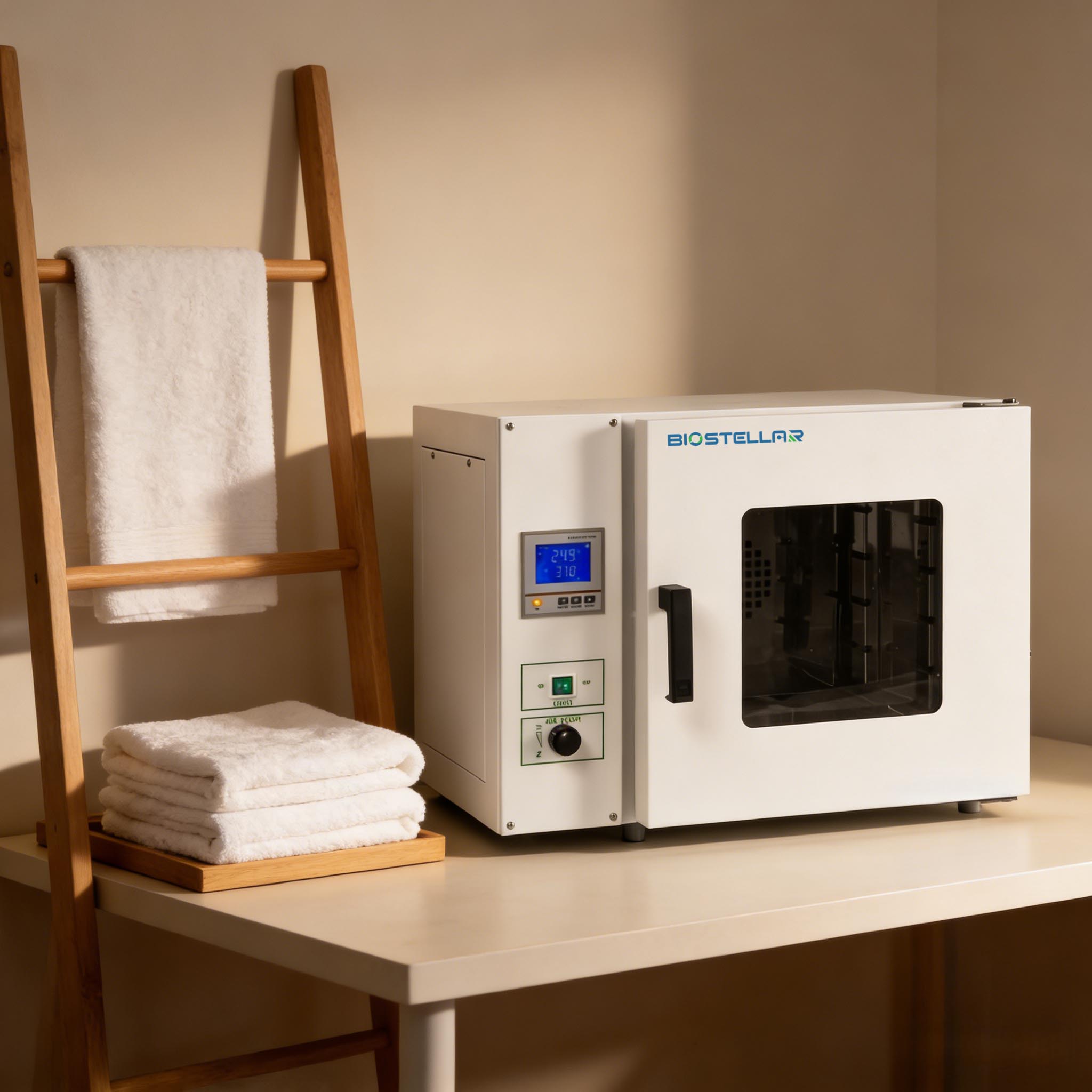
How to Safely Disinfect and Warm Towels Using a Hot Air Sanitizing Cabinet
There’s nothing quite like wrapping yourself in a hygienic, warm towel after a shower, a day at the gym, or a relaxing spa session. But keeping towels consistently clean—without harsh chemicals or damaging fabrics—can be a challenge. Enter hot air sanitizing cabinets: a modern, chemical-free solution that eliminates germs and warms towels in one simple process. Whether you’re using it at home, in a small boutique salon, or a cozy inn, follow this complete guide to use it safely and effectively.
First: How Does a Hot Air Sanitizing Cabinet Work?
Unlike chemical disinfectants or high-temperature washing machines that can wear out fabrics, hot air sanitizing cabinets rely on dry heat sterilization. They circulate hot air at sustained temperatures (typically 60°C to 100°C / 140°F to 212°F) around the towels, directly destroying bacteria, viruses, and mold spores. The best part? No liquids, no residue, and no harsh fumes—making it ideal for towels that come into direct contact with your skin.
Step-by-Step Guide to Safe Use
1. Check Towel Material First (Critical for Fabric Safety)
Not all towels can withstand the heat of a sanitizing cabinet—choosing the right fabric prevents damage:
-
✅ Recommended: Towels made from natural fibers like 100% cotton or linen. These materials are heat-resistant and hold warmth well after sanitization.
-
❌ Avoid: Towels with synthetic blends (polyester, microfiber, elastane) or labels that say “low heat only” or “do not use high heat.” These can melt, scorch, or shrink permanently.
Pro tip: Always check the care label on your towels—this is your best guide for heat tolerance.
2. Prepare Towels Properly for Even Sanitization
Poor preparation can lead to uneven heating or reduced disinfection effectiveness. Follow these steps:
-
Ensure towels are damp but not dripping wet. A little moisture helps activate the heat’s germ-killing power, but excess water will slow down the process and waste energy.
-
Fold or hang towels loosely. Avoid overcrowding the cabinet—hot air needs room to circulate around every part of the towel. If your cabinet has hanging rods, use them; if not, fold towels in half (not more than twice) to maximize air flow.
3. Set the Right Temperature & Time (Balance Disinfection & Warmth)
The settings depend on whether you’re prioritizing disinfection, warming, or both. Stick to these guidelines:
-
For disinfection (primary goal): Set the temperature to 60–80°C (140–176°F) and run the cycle for 20–30 minutes. This range is proven to kill 99.9% of common germs (like E. coli, Staph, and influenza viruses) without damaging natural fabrics.
-
For warming (secondary goal): Use the same temperature range (60–80°C) but shorten the cycle to 10–15 minutes. This keeps towels cozy without overexposing the fabric to heat.
Note: Always follow your sanitizing cabinet’s manual—some models have pre-set “towel sanitization” or “towel warming” programs that take the guesswork out.
4. Monitor & Handle with Care
Safety doesn’t end when the cycle starts—follow these final steps to avoid injury or fabric damage:
-
Don’t leave towels in the cabinet after the cycle ends. Residual heat can cause overheating, leading to stiff towels or even scorching (especially if towels are left overnight).
-
Use oven mitts or tongs to remove towels. They’ll be hot to the touch—protect your hands!
-
Let towels cool for 1–2 minutes before use. This makes them comfortable to touch while still retaining warmth.
Why Hot Air Sanitization Is Better Than Other Methods
You might be wondering: Why not just wash towels in hot water or use chemical sprays? Here’s why hot air sanitizing cabinets stand out:
-
Chemical-free: No bleach, no disinfectant sprays—great for people with sensitive skin or allergies.
-
Fabric-friendly: Gentle on natural fibers compared to frequent high-temperature washing (which breaks down towel fibers over time, leading to fraying and lint).
-
Time-saving: Combines disinfection and warming in one step—no need to wait for towels to dry after washing or heat them in a dryer separately.
-
Versatile: Works for hand towels, bath towels, washcloths, and even small linen items (like face cloths or salon capes).
A Critical Note of Caution
Even with a user-friendly device, safety comes first. Here’s what to never skip:
-
Always read both your towel’s care label and your sanitizing cabinet’s manual. Decorative trims (like embroidery or lace) might not be heat-resistant, even if the towel itself is cotton.
-
Never put non-towel items (like plastic, rubber, or synthetic fabrics) in the cabinet—they can melt and release toxic fumes.
-
As home appliance expert Sarah Miller notes: “Temperature and timing are non-negotiable. A few extra minutes at too high a temperature can ruin your favorite towels or create a fire risk.”
Conclusion: Enjoy Hygienic, Warm Towels the Easy Way
A hot air sanitizing cabinet is a practical addition to any home, small salon, or inn—turning ordinary towels into a luxurious, hygienic treat. By choosing the right towels, following proper preparation steps, and controlling temperature and time, you’ll get the best of both worlds: clean, germ-free towels and long-lasting fabric quality.
Ready to upgrade your towel care routine? Explore our chemical-free hot air sanitizing cabinets designed for home and small business use, or contact our team for personalized recommendations.
Frequently Asked Questions (FAQs)
Q: Can I use this method for baby towels? A: Yes! The chemical-free dry heat is safe for baby towels (use 60°C for 20 minutes to kill germs without irritating baby’s skin).
Q: How often should I clean my hot air sanitizing cabinet? A: Wipe the interior with a dry cloth after every 5 uses to remove lint. Deep clean with a damp cloth (no chemicals) once a month.
Q: Will hot air sanitization make towels stiff? A: No—if you use damp (not wet) towels and don’t overheat them, towels will stay soft and absorbent.
Share


No Data
SEND INQUIRY

Mailbox
stellawang@biostellarlab.cn

+86-15666095066

+86-15666095066

Adress
HanYu Gold Valley.The Intersection Of 10 Run
Road And South ShunHua Road High-Tech
Zone.JiNan Shandong Province CHINA